



Your brakes are one of the most important safety systems in your vehicle and act as your first line of defense on the road. Whether you drive a Chrysler Pacifica, Dodge Charger, Jeep Grand Cherokee, or RAM 1500, it’s important to know when your brakes need attention so you can address any issues before they become serious safety hazards or lead to expensive repairs.
At Santee CDJR in Manning, SC, we’re here to help you stay safe with expert brake inspections and repairs. Here, we’ll outline the top signs your CDJR vehicle may need brake service, so you can act before a small issue turns into a major problem.
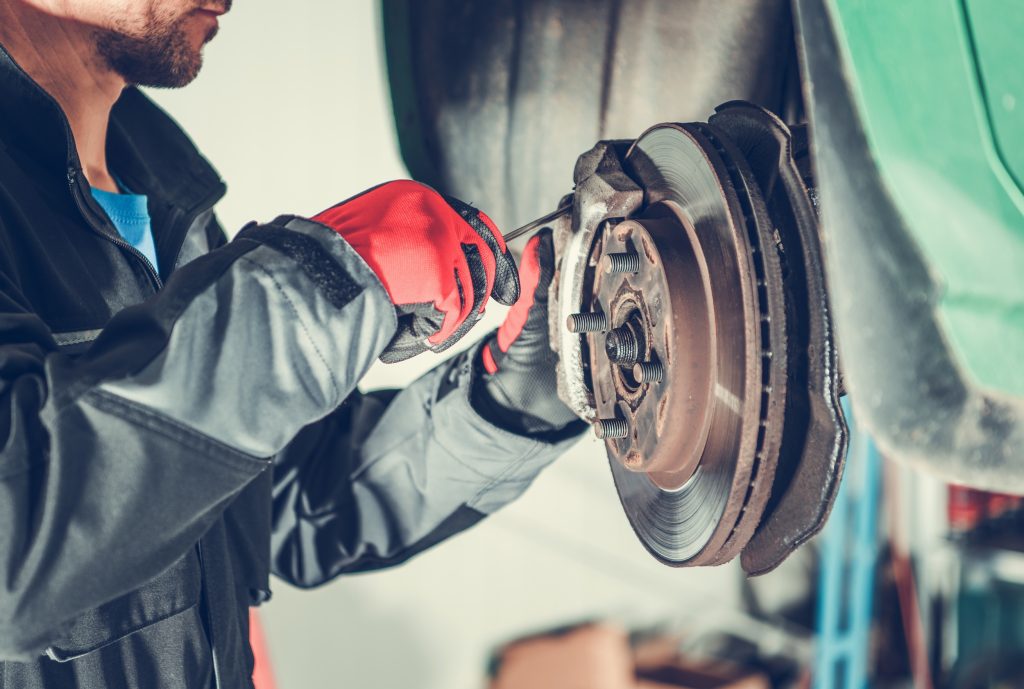
Visual Inspection: The First Line of Defense
You don’t need to be a professional to gauge the condition of your brake pads; you just need to do a quick visual inspection. Here’s what to look for:
- Locate the Brake Pads: Park in a well-lit area and look between the spokes of your wheels. You should be able to see the brake caliper, which houses the brake pads. The pads themselves will look like a block of material pressed against the shiny, metal disc (rotor).
- Check Pad Thickness: This is the most important part of the visual inspection. The friction material of the brake pad should be notably thick. A general rule of thumb is that if the thickness of the pad material is less than a quarter inch (approximately 6 millimeters), you should have your brakes checked by a qualified mechanic. Some pads even have wear indicators built into them. Look for a small metal tab that squeals when the pad wears down to a certain point.
- Check for Uneven Wear: While this is harder to spot without removing the wheel, try to see if the pad appears to be wearing evenly across its surface. Uneven wear can suggest issues with the caliper or other brake components.
- Look for Cracks or Damage: Although this is less common, check for any visible cracks, chips, or excessive glazing on the pad material. Damaged brake pads need immediate attention.
Beyond the Visual: Other Warning Signs
While a visual inspection is a great starting point, it’s not the only way to see if your brake pads are worn. Pay attention to these other signs:
- Squealing or Grinding Noises: A high-pitched squeal when you apply the brakes typically indicates that the wear indicators on your pads are touching the rotor. A grinding noise, however, is more serious and typically means the friction material has completely worn away, and metal is grinding against metal. If you hear grinding when you brake, see a mechanic as soon as possible.
- Vibrations or Pulsations: If you feel a pulsating or vibrating sensation through the brake pedal when braking, it could be a sign of warped rotors, which often happen when your brake pads are severely worn or overheated.
- Increased Stopping Distance: If it takes you longer to come to a complete stop than it used to, your brakes are losing efficiency, and the likely culprit is worn brake pads.
- Soft or Spongy Brake Pedal: A brake pedal that feels unusually soft or spongy when pressed can indicate air in the brake lines, a master cylinder issue, or severely worn pads.
When to Bring Your Vehicle in For Professional Help
Even if your brake pads look fine during a quick visual check, we recommend having your entire brake system inspected during routine service visits. At Santee CDJR in Manning, SC, our certified technicians perform comprehensive brake inspections that go beyond the surface. If you notice any signs of brake trouble, don’t wait! Schedule your brake repair appointment at the Santee CDJR service center today.
Take advantage of our service and parts coupons and explore our full range of services, from brake inspections to complete system repairs. Whether you’re local to Manning or searching for trusted Jeep service near Columbia, we offer competitive CDJR service deals that make routine maintenance easy and affordable!
Connect with us


Recent Blog Entries
- The 2026 Ram 1500 BackCountry Blends Practicality and Adventure
- What Does a Blinking Jeep Wrangler Check Engine Light Mean?
- The 2026 Jeep Grand Wagoneer: Next-Level Luxury for Every Family Adventure
- Why the RAM 1500 is the Best Truck for Charleston Boat Owners
- 2026 Dodge Durango GT America250 Edition: Power Meets Patriotic Style