





Jeep Grand Cherokee Check Engine Light
When the Jeep Grand Cherokee check engine light suddenly illuminates on the dashboard, it can be an alarming sight. For most Jeep owners, this yellow or amber light triggers a flood of questions. What does it mean? Is it serious? Can I keep driving, or should I pull over? Understanding the causes behind the check engine light and how to address them is crucial for maintaining the health of your Jeep and avoiding costly repairs.
The check engine light in the Jeep Grand Cherokee is part of the onboard diagnostics (OBD) system and can signal various problems, ranging from a loose gas cap to more serious engine issues. This guide will help you navigate the common reasons for the light's appearance, troubleshooting steps, and when to seek professional help.
What Does the Check Engine Light Mean?
The check engine light essentially serves as a warning light, alerting you when there’s a problem with your vehicle’s engine or emissions system. While it doesn’t always signal a major issue, it should never be ignored.
When your Jeep Grand Cherokee's ECM (electronic control module) discovers a problem that it can’t correct, it turns on your check engine light. This amber or yellow light is typically labeled “check engine,” but it may be an engine symbol on your dash. It typically means your vehicle’s computer has detected something unusual, such as a problem with the fuel system, exhaust system, or a sensor.
Sometimes, the issue can be minor, but other times, it may require immediate attention. Addressing the problem early is crucial to avoid more significant damage to your Grand Cherokee and so you don’t wind up stuck on the side of the road calling for a tow truck.
Common Causes of the Check Engine Light Turning On
Here are the most common reasons your Grand Cherokee’s engine light has turned on:
- Loose or Damaged Gas Cap: One of the most common causes of a check engine light is a cracked or improperly sealed gas cap, which can allow fuel vapors to escape and trigger the light.
? Solution: Ensure the gas cap is properly tightened or replace it if it appears damaged. After doing so, the light should turn off after driving for a few cycles. - Faulty Oxygen Sensor (O2 Sensor): The oxygen sensor monitors the amount of unburned oxygen in your Jeep’s exhaust and helps regulate the fuel-air mixture. A faulty sensor can decrease fuel efficiency and increase emissions.
? Solution: Sensor replacement, which is usually inexpensive compared to other repairs. - Catalytic Converter Issues: The catalytic converter helps reduce harmful emissions. If it's malfunctioning, your Jeep will produce higher emissions and may fail a smog test. Signs include a noticeable drop in fuel economy and a sulfur-like smell from the exhaust.
? Solution: Replace the catalytic converter. - Mass Airflow Sensor (MAF) Failure: The MAF sensor measures the amount of air entering the engine to determine the proper fuel mixture. A malfunctioning MAF sensor can lead to poor fuel economy, stalling, and engine hesitation.
? Solution: Clean or replace the MAF sensor. - Worn Spark Plugs or Ignition Coils: Spark plugs and ignition coils
are essential for engine combustion, but they can wear out over time, leading to engine misfires and rough idling. If not addressed, this can damage the catalytic converter.
? Solution: Replacing spark plugs and ignition coils at recommended service intervals is crucial for smooth engine performance. - Vacuum System Leaks: The vacuum system helps with various engine functions, and a leak can cause issues such as high idle speeds or misfires. Symptoms of a vacuum leak include a hissing sound from under the hood or stalling.
? Solution: Repair the vacuum system leak to restore proper engine function. - Battery and Charging System Problems: While not a direct engine issue, a failing battery or charging system can cause the check engine light to turn on. Signs include difficulty starting your Jeep or electrical components not working properly.
? Solution: Check battery connections and charging system; replacement may be necessary.
Jeep Grand Cherokee Check Engine Light Codes
To accurately diagnose the problem, you’ll need to read the Diagnostic Trouble Codes (DTCs) from the onboard computer system. DTCs are the result of an issue being detected by your Jeep’s computer, and there are hundreds of problems that can be the root cause.
This can be done using an OBD-II scanner, which provides specific codes that correspond to various problems in the vehicle. Common codes for the Jeep Grand Cherokee include:
| Code | Name | Description |
|---|---|---|
| P0440 | Evaporative Emission Control System Malfunction | Indicates an issue with the system that captures fuel vapors to prevent them from being released into the atmosphere. |
| P0420 | Catalyst System Efficiency Below Threshold | Usually signals a problem with the catalytic converter. |
| P0300 | Random/Multiple Cylinder Misfire Detected | Often due to worn spark plugs, ignition coils, or issues with fuel injectors. |
| P0171 | System Too Lean (Bank 1) | Indicates that the engine is running with too much air or not enough fuel, which can lead to poor performance. |
| P0456 | Evaporative Emission System Leak Detected (Small Leak) | Could be a minor leak in the fuel system, often related to the gas cap. |
These scanners are available at most dealership parts centers, and some dealers offer free diagnostic scanning. Once the codes are retrieved from your Jeep’s OBD-II port, you can look up their meaning or consult a certified Jeep mechanic at Santee CDJR for further advice.
How to Reset the Check Engine Light in Your Grand Cherokee
Once you’ve addressed the issue, you may want to reset the check engine light. Here’s how to do it yourself:

METHOD 1
Use an OBD-II Scanner
The most reliable way to reset the light is by using an OBD-II scanner tool. There are a number of relatively inexpensive code readers that you can pick up at your local auto parts store or at Santee CDJR. Once you've fixed the problem, you can use the scanner to clear the stored trouble codes.
METHOD 2
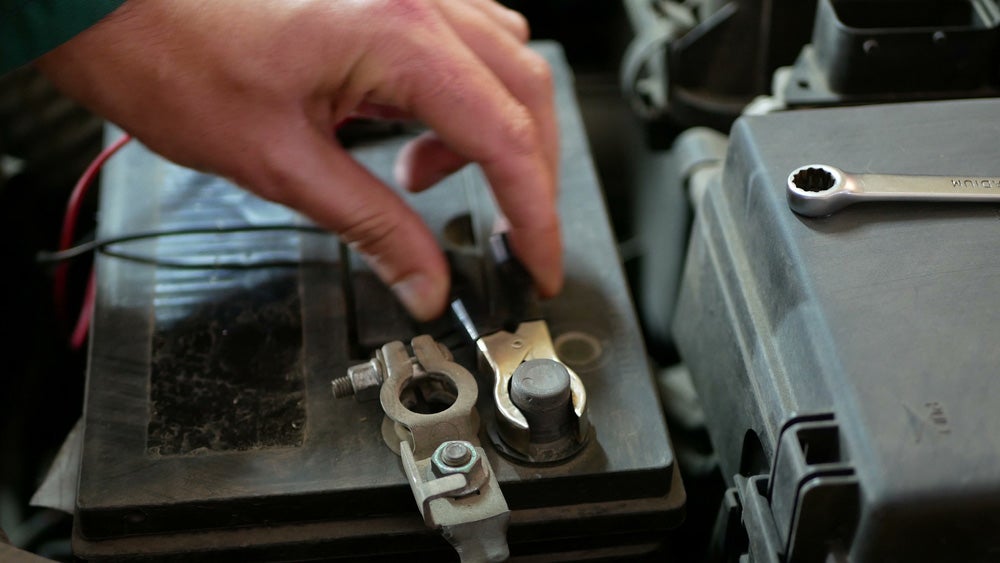
Disconnect the Battery
An alternative method is to disconnect the vehicle’s battery for about 10-15 minutes. This will reset the computer, turning off the check engine light. However, if the underlying issue hasn’t been resolved, the light will turn back on shortly. It can also reset other settings in your vehicle, such as the radio and clock.
If the issue causing the light is severe (e.g., a flashing check engine light), avoid resetting and seek immediate service. Resetting the light before addressing the root cause can mask the issue, leading to more costly repairs down the road.
Please note that resetting the Jeep Grand Cherokee check engine light is not recommended for beginners or those without some automotive knowledge. Feel free to stop by Santee CDJR and let our experts handle it for you!
Jeep Grand Cherokee Check Engine Light Service at Santee CDJR
Santee CDJR's state-of-the-art service center is here to keep your SUV in top shape so you're always ready for your next adventure. Our factory-trained Jeep technicians have specific expertise in diagnosing and repairing Jeep models like the Grand Cherokee. We use cutting-edge diagnostic equipment to quickly identify the issue and get you back on the road safely.
If your engine requires repairs, we’ll use only OEM Jeep parts to ensure durability and reliability. We offer upfront pricing with no hidden fees and will explain every step of the Jeep auto repair process so you know what to expect.
Keep your Jeep running smoothly with regular maintenance services, including oil changes and spark plug replacements, and help prevent future check engine light issues. Schedule a service appointment online today or visit us in Manning, SC!
FAQs
Why is my Jeep Grand Cherokee check engine light flashing?
A flashing check engine light warns of an engine misfire in your Grand Cherokee. If not addressed quickly, this can damage the catalytic converter, so it is crucial to stop by Santee CDJR for check engine light diagnosis service.
Is it safe to drive your Jeep Grand Cherokee with the check engine light on?
It is usually safe to drive for short distances with your check engine light on, but you should schedule a diagnostic check as soon as possible. On the other hand, it is unsafe to drive with a flashing check engine light, as it signals a severe issue. Driving further could cause significant damage to the engine or exhaust system.
How many miles can you drive with an illuminated check engine light?
With a solid yellow check engine light, you can usually drive up to 40 miles but avoid long trips or heavy use. However, if your check engine light’s blinking, you should not drive more than a mile or two and immediately address the issue.
How much does it cost to get the engine light checked?
The cost to diagnose your Jeep’s check engine light typically ranges from $50 to $100, depending on the issue. At Santee CDJR, we often offer diagnostic specials and multi-point vehicle inspections to help make the process more affordable for our customers.