Santee Chrysler Dodge Jeep Ram

Blog / Tips & Tricks

Winter Traveling Tips in Manning

Winter driving tips in Manning, SC

While it doesn't snow very often in Manning, SC, it is still important to know how to drive on snowy, slippery roads when it does happen. The winters in this part of South Carolina bring temperatures down into the mid-30s, which also means there is the possibility for ice on the roads. When you travel through the area during the colder months, make sure you are ready for anything. Follow these winter traveling tips when passing through Manning, SC.

Pack for All Conditions

Even if your trip starts in an area where it is warm, you will want to plan for any type of weather and pack cold weather clothes. In many parts of the country, the weather can change quickly. Make sure you have a winter jacket, gloves, and a hat in the car and always keep a blanket with you. If you pass through Manning on your way north, you will also want to pack items such as a shovel, a cell phone charger, and sand or kitty litter in case you need to get out of a slippery situation.

Check the Forecast Ahead of You

Always look at the weather not only in the area where you are starting your trip but also where you're heading. It is so easy to see what is coming, even when you are already on the road, so take advantage of it. If severe weather is coming in, you can either delay your trip by a day or two or leave early if you can beat a storm.

Driving on Slippery Roads

The key to safe driving when the roads get slippery is slowing down. It is also important to know how to stop on an icy road. If you have ABS brakes, apply firm and steady pressure on the brake pedal. The ABS system will take care of pumping the brake for you. If you drive an older model that does not have ABS, pump the brakes to keep the vehicle moving in a straight line. Always leave extra time to stop, and keep in mind that if the roads have ice on them, it does not matter if you have all-wheel drive, four-wheel-drive, or two-wheel drive. The vehicle will slide.

Pack an Emergency Kit

It is a good idea to have an emergency kit in the car no matter what time of year you head out on the road. The kit should include a flashlight with working batteries, an air compressor, a first aid kit, jumper cables, some basic tools, a utility knife, and first aid supplies. You should also keep food and snacks in the car so you have something to eat if you run into any problems. Pack a few energy bars, water, and some other snacks that will stay good for several days. South Carolina may not be the first city that comes to mind when you think of snow, but it pays to be prepared. Follow these winter traveling tips for a successful winter road trip through the Manning area and beyond.   Image via Pixabay.com | CC 0 | Cropped from original

Posted in:

Related Posts

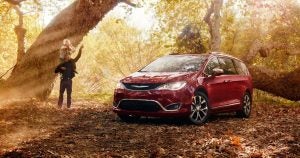
2018 Chrysler Pacifica in Manning, SC

5 Ways to Get Your Pacifica Ready for Winter

The winter months can be tough on automobiles, even reliable models such as the Pacifica. If you're not careful, you may find yourself stranded on the side of a snowy road waiting for a tow truck. Fortunately, getting your vehicle ready for winter is actually very quick and easy if you know what to do. Here are a few tasks that will help you get your Pacifica ready for the winter months so that you always have the dependable transportation that you need. Invest in a Set of Winter Tires Losing traction and having your vehicles spin out is the biggest threat when driving during the winter. If there is frequent snow or other types of wintry precipitation in your area, purchasing and installing a set of winter tires is the best way to get your Pacifica ready for the winter months. Winter tires are specifically designed to maintain your traction on slick roads during the colder winter months, and will help you drive with confidence in slippery or snowy conditions. more Check Your Battery Extremely low temperatures can impact your car's battery, and if you have an older battery in your car, low temps may prevent your vehicle from starting. Before the winter months arrive, you should test the voltage of your battery to make sure everything is in working order. When you crank your Pacifica, your voltage should be above 10, and while your minivan is running, the voltage should be above 12. Inspect Fluid Levels Checking your antifreeze levels is another important way to get your Pacifica ready for winter. Antifreeze, as its name suggests, prevents freezing in your engine, and if your levels are too low, your engine could actually freeze when the outside temperatures plummet. If you find that you antifreeze is running low, you should top it off to make sure that your engine runs smoothly all winter long. Change Your Oil Scheduling an oil change and requesting that your technician use a winter-grade oil is another effective way to prepare your automobile for the winter season. When the weather cools down, it's better to use an engine oil with a lower viscosity. Low viscosity oils perform much better in lower temperatures, so using this type of oil during the winter will help ensure that your Pacifica runs the way that it should. Build an Emergency Kit Even with the proper preparation, it's still possible that you'll experience a breakdown while driving this winter. Because being stranded in cold weather can be very dangerous, you should be sure that you build a winter emergency kit for your Pacifica before the season arrives. Your winter emergency kit should include several items that can keep you safe if your minivan breaks down. Pack enough blankets to keep your family warm until a tow truck arrives. You also need to store a supply of water and non-perishable snacks. A portable cell phone charger will make sure you can call for help and stay in touch until you're back on the road. Including a bag of sand may help you restore traction on ice or snow. Follow these simple tips, and you can easily get your Pacifica ready for winter.   Image via Chrysler.com

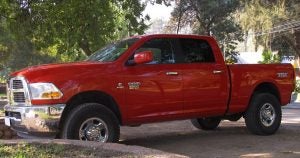
Red Ram 2500

What to Look for in a Truck, New or Used

Shopping for a truck is much different from shopping for a car. There is a lot more to consider when buying a truck including the many special uses and the large number of options and configurations available. If you are in the market for a new or used truck, here are some things you should consider. Decide How You Will Use It Trucks come in more varieties than most cars, so it is important to think about how you will use it before you start shopping. Do you need room for just you and a passenger, or do you need to haul the whole family? Will you use it to carry gear for fun, or is it going to be a work truck with secure lockboxes in the bed for your tools? You'll also need to take into consideration how much towing power you'll need. Do you have a boat or camper that you'll tow, or do you need the power to haul heavy loads for work? more What Size Do You Need? Pickups come in light, medium, and heavy-duty. Once you know what you'll use the truck for, you can decide on the size. If you won't tow very often or just need to carry light loads, then a light-duty truck is all you need. You don't want to pay for more than what you need. If you have a large camper or boat, you'll want to look at a medium or heavy-duty truck that has more power. The Bed Length The bed of a pickup truck, whether it is new or used, is one of the most useful parts of the truck. The beds come in several different lengths depending on the cab size, and  they range from 5.5 feet up to 8 feet. If you will use the truck to carry long, bulky loads, you'll want to look at a smaller cab size and a longer bed. Keep in mind that a truck with a longer bed is more cumbersome to drive and won't fit in smaller parking spaces. You also need to measure the size of your garage if you choose a long bed. Interior Options Truck cabs come with just the basics if that's all you want, or you can go all out and get all the bells and whistles available in a luxury vehicle. Again, think about how you will use the truck before choosing the interior features and technology. Convenience Features Many trucks also offer features to make your workday easier. Additions such as running boards and a large center console bin that can fit handing folders will help you turn your truck into a rolling office if you need it. Just make sure only to add features you'll use and don't pay for things that you won't. There is a lot to take into consideration when you buy a new or a used truck. Take a good look at what you need, and then from there add some things that you want. Image by RL GNZLZ via Flickr | CC BY-SA | Cropped from original

Understanding Your Car’s Dashboard Warning Lights

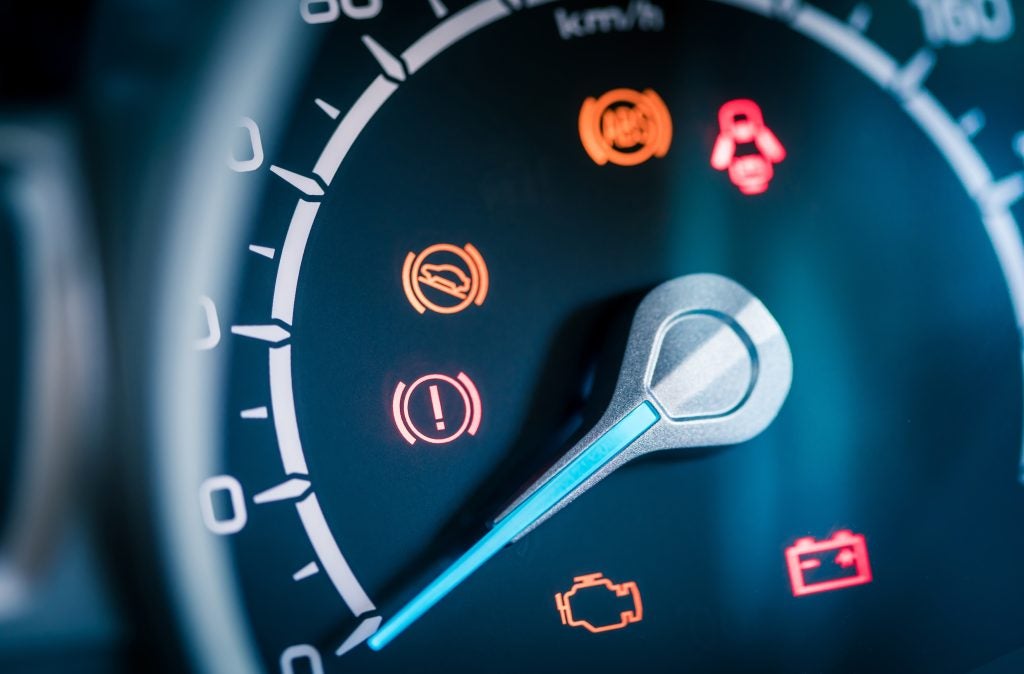
Car maintenance is important, but it can be confusing. And when a new warning light shows up on your dashboard, it can be even more puzzling. Knowing what these warning lights mean can help ease your anxiety and provide some insight into what’s going on under the hood. Warning lights aren’t always something to panic about, but they should be taken seriously. Here are some of the most common warning lights, what they mean, and what you should do if you see them. more Most Common Dashboard Warning Lights Check Engine Light Shape: Silhouette of an engine Typical Color: Orange, yellow, or amber This is probably the most dreaded warning light, but it doesn’t always mean something catastrophic. It could signify something as minor as a faulty spark plug, ill-fitting gas cap, or a damaged sensor. But of course, it could be a sign of a more serious problem, like an issue with your catalytic converter or full engine failure. If this light is illuminated but everything seems okay with your car, don't panic, but visit a mechanic as soon as possible. On the other hand, if the light turns on and the vehicle is making strange noises or not operating as it should, pull over as soon as it’s safe and get a tow to your local service center. At Santee CDJR, we’re happy to run a diagnostic test and find the cause of the problem. Battery Light Shape: Silhouette of a battery Typical Color: Red This warning light is straightforward: there’s an issue with your battery. In addition to the light, you may notice that your vehicle has trouble starting. Even if your car starts up normally, don’t ignore this light. It could be as simple as needing a new battery, but it can also signify an issue with your wiring or alternator. Coolant Temperature Shape: A thermometer in water Typical Color: Yellow or orange When this light comes on, your vehicle is running too hot. There are a lot of possible causes for this issue, including a broken water pump, low coolant levels, a leaking or broken coolant hose, or radiator damage. All of these are serious issues that could cause major engine damage and expensive repairs. Do not ignore this light! Transmission Temperature Shape: A gear with a thermometer in the middle Typical Color: Yellow, orange, or red This is another warning light you should never ignore. It signals a critical problem with your gearbox, which could be caused by extremely heavy towing, low transmission fluid, or excessive wear on your transmission. Oil Pressure Warning Shape: An oil can with a drip Typical Color: Yellow, orange, or red This light could signify something as simple as needing an oil change or your engine oil needing to be topped off. More serious issues could be a leak in the engine or worn parts like a broken oil pump. If this light comes on, you can check your oil levels yourself at home. If the oil is low, topping it off may solve the problem and the light will go off on its own. If you’re not comfortable investigating on your own or that doesn’t solve the problem, take it to a mechanic as soon as possible. Tire Pressure Monitoring System Shape: An exclamation mark in a circle with the top open Typical Color: Yellow, orange, or red This is another relatively straightforward warning light: it indicates that one or more of your tires are low. In newer vehicles, this light may even tell you which tire(s) need attention and how much air they need. A quick stop at a gas station with an air pump will solve the problem, and the light should go off once the tires are filled to the right levels. If the issue persists, you may have a leak in your tire, which a mechanic can identify and patch or replace the tire altogether. Let Santee Chrysler Dodge Jeep RAM Take Care of Your Service Needs! As you can see, warning lights can sometimes be tricky to diagnose and dangerous to ignore. This is why we recommend letting a professional handle most issues to prevent further damage to your engine and ensure your vehicle is safe to drive. At Santee CDJR, the technicians in our service department are trained to handle every repair, no matter how major. Our service center in Manning, SC proudly serves drivers in Sumter, Orangeburg, and Florence with the best service possible. If you have an issue with your vehicle–or just want to stay on top of regular maintenance–schedule an appointment today! Just give us a call at 803-962-7047 or schedule online!